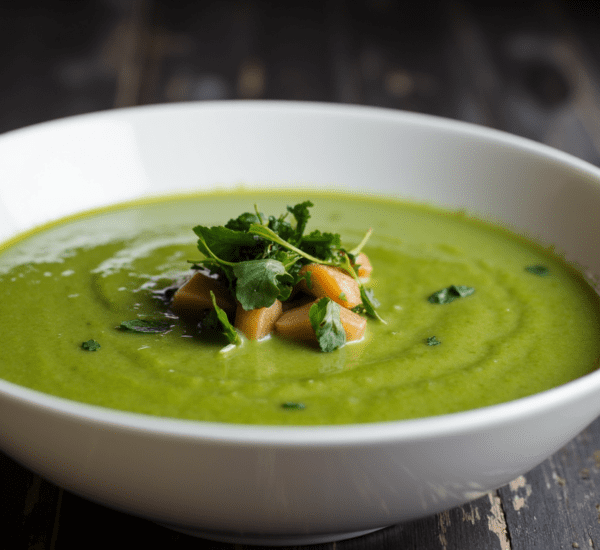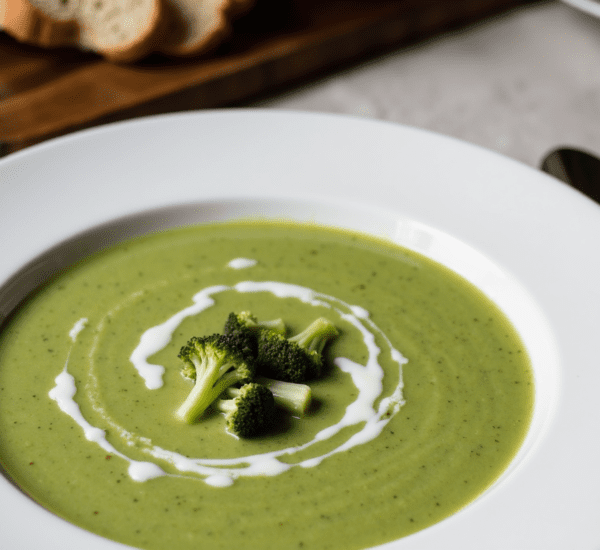
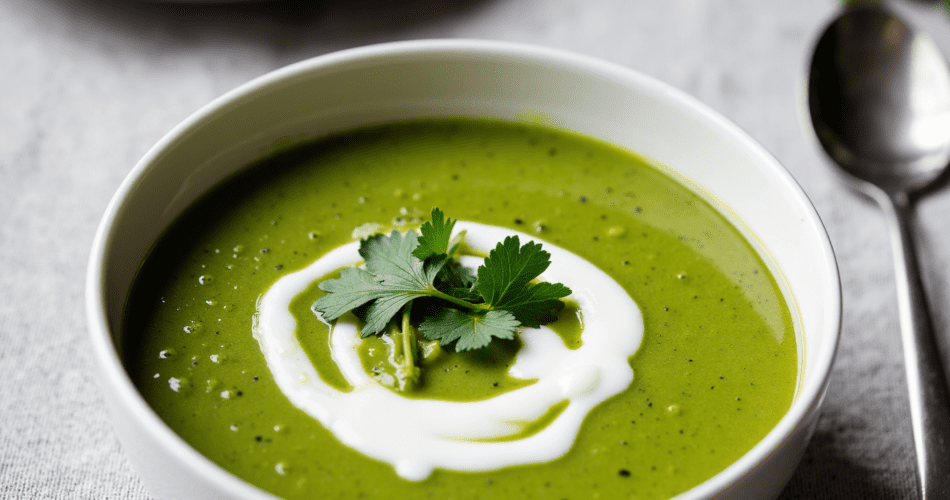

Ever craved something fresh and vibrant that comes together in minutes? That’s exactly what you get with this Jamie Oliver watercress soup recipe. I first made it last spring when I wanted something light yet satisfying—the perfect bridge between winter comfort and summer salads.
The soup delivers a wonderful peppery kick from the watercress, balanced by creamy potato and sweet onion. You’ll love its velvety texture and that fresh, green aroma that fills your kitchen. What makes this recipe special is its simplicity—just a handful of ingredients transform into something truly delicious.
We’re talking about a 30-minute wonder here. No complicated techniques, just straightforward cooking that delivers big flavour. Even if you’re cooking for picky eaters, the creamy texture and familiar ingredients make this soup surprisingly approachable. You’ll gain a go-to recipe that feels both nourishing and indulgent.
My top tip? Don’t skip the final swirl of crème fraîche—it adds that perfect cooling contrast to the peppery watercress. Trust me, once you try this, it’ll become your secret weapon for quick, impressive meals.
Key Takeaways:
- Prep Time: 15 minutes
- Cook Time: 25–30 minutes
- Total Time: Approximately 40–45 minutes
- Servings/Yield: 4 generous portions (or 6 smaller servings)
- Difficulty Level: Easy
- Dietary Tags: Vegetarian, Gluten-Free (with swap), Dairy-Free, Kid-Friendly
- Category Tags: Weeknight Dinners, Meal Prep, Casual Weekend Lunches, Relaxed Entertaining
📋 Recipe Key Info
Welcome to our kitchen! Before we start cooking together, let’s look at the essential details you’ll need. This recipe is designed to fit into your busy schedule while delivering fantastic flavour.
How long does this recipe take?
Your preparation duration is about 15 minutes—that’s just enough time to gather your ingredients and do some basic chopping. The cooking period runs for 25-30 minutes, giving everything time to develop those lovely caramelised edges. Your total time investment is around 40-45 minutes from start to finish.
What’s the yield?
This recipe makes 4 generous portions—perfect for a family dinner or meal prep for the week ahead. You could stretch it to 6 smaller servings if you’re serving it alongside other dishes.

How difficult is this recipe?
We’ve rated this as easy. If you can chop vegetables and stir a pan, you’ve got all the skills needed. It’s ideal for beginner cooks or anyone wanting a stress-free weeknight dinner.
What dietary needs does it suit?
This dish is naturally vegetarian and can easily be made gluten-free with a simple swap. It’s also dairy-free and kid-friendly—the flavours are approachable for little ones.
When should you make this?
Think weeknight dinners, meal prep sessions, or casual weekend lunches. It’s versatile enough for everyday cooking but special enough for relaxed entertaining.
Our practical tip: The prep time includes washing and chopping your fresh ingredients. If you’re really pressed for time, you could use pre-chopped vegetables from the supermarket—we won’t tell! The key is getting everything ready before you start cooking, which makes the process much smoother.
🛒 Ingredient List
Gathering your ingredients is the first step toward creating something delicious. I find that taking a moment to check your pantry and prepare everything before you start cooking makes the whole process smoother and more enjoyable. Quality ingredients really do make a difference in the final flavour of your dish.
For the Soup Base
- 2 tablespoons (30ml) olive oil or vegetable oil
- 1 large onion, finely chopped (about 200g / 7oz)
- 3 cloves garlic, minced
- 2 medium carrots, diced (about 150g / 5.3oz)
- 2 sticks celery, diced (about 100g / 3.5oz)
- 1 litre (4 cups / 34 fl oz) vegetable stock or chicken stock
- 400g (14oz) tin of chopped tomatoes
- 1 teaspoon (5g) dried thyme
- 1 bay leaf
- Salt and freshly ground black pepper, to taste
For the Main Ingredients & Garnish
- 200g (7oz / about 1 cup) dried green or brown lentils, rinsed
- 100g (3.5oz / about 2 cups packed) fresh spinach leaves
- 2 tablespoons (30ml) fresh lemon juice
- A small handful of fresh parsley, roughly chopped
- Optional: 50g (1.8oz / ½ cup) grated Parmesan cheese or nutritional yeast for a dairy-free option
Ingredient notes and substitutions:
- Vegetable stock: Using a good-quality stock is key for depth of flavour. If you’re using a stock cube, I recommend a low-sodium variety so you can control the salt level.
- Fresh lemon juice: Please use fresh rather than bottled if you can. The bright, zesty flavour it adds at the end is irreplaceable.
- Lentils: Green or brown lentils hold their shape well in soup. Red lentils will cook faster and break down more, creating a thicker, creamier texture—a great alternative if that’s what you prefer.
- Spinach: Fresh is best here, but you can use 150g (5.3oz) of frozen spinach. Just thaw and squeeze out the excess water before adding.
- Dairy-free: Skip the Parmesan and use a sprinkle of nutritional yeast for a cheesy, umami flavour without the dairy.
A quick tip on preparation: Take the extra minute to chop your onion, carrot, and celery to a similar size. This ensures they cook evenly, giving you a perfect base every time. Also, don’t skip rinsing your lentils—it washes away any dust and helps them cook more evenly.
Having everything measured and ready to go (what chefs call mise en place) turns cooking from a frantic search into a calm, creative process. You’re all set to start building your soup!
👨🍳 Step-by-Step Instructions with Pro Tips
Alright, let’s get cooking! I’ll walk you through each stage of making this vibrant watercress soup. Trust me, once you’ve tried this method, you’ll be making it on repeat.
1. Prep your vegetables
Start by giving your potatoes a good scrub—no need to peel them, as the skins add lovely texture and nutrients. Chop them into roughly 2cm cubes so they cook evenly. Next, finely slice your onion and garlic. A sharp knife makes this job much easier and safer.
2. Build your flavour base
Heat a splash of olive oil in a large saucepan over medium heat. Add your chopped onion and garlic, then cook gently for about 5 minutes until they’re soft and fragrant—you want them translucent, not browned. This gentle cooking releases their natural sweetness without any bitter notes.
3. Add potatoes and stock
Toss in your cubed potatoes and give everything a good stir to coat them in those lovely flavours. Pour in your vegetable stock—homemade if you have it, or a good quality shop-bought version works perfectly. Bring it to a gentle simmer, then cover and cook for 15-20 minutes until the potatoes are tender when pierced with a fork.
4. Prepare your watercress
While the potatoes are cooking, wash your watercress thoroughly. Fresh watercress can sometimes have a bit of grit hiding in those beautiful green leaves. Give it a good shake to remove excess water, then roughly chop it—stems and all. The stems add wonderful peppery flavour.
5. Blend with care
Once your potatoes are cooked through, remove the pan from the heat. Stir in most of your chopped watercress—save a small handful for garnish. Use a stick blender directly in the pan to purée the soup until smooth, or carefully transfer to a standard blender in batches.
6. Finish and serve
Return the blended soup to low heat if needed to warm through. Season with salt and freshly ground black pepper to taste—the watercress is naturally peppery, so go easy at first. Ladle into bowls and top with your reserved fresh watercress leaves, a drizzle of good olive oil, and perhaps a swirl of crème fraîche if you’re feeling indulgent.
🔄 Recipe Variations & Serving Suggestions
What creative twists can I add to this watercress soup?
Once you’ve mastered the basic recipe, try these flavourful variations. For a Mediterranean twist, stir in chopped sun-dried tomatoes during the final minutes of cooking—their sweet, concentrated flavour pairs beautifully with the peppery watercress. If you fancy some heat, add a pinch of red pepper flakes or a dash of your favourite hot sauce. For extra creaminess without dairy, blend in a cooked potato or a handful of cooked white beans.
How should I serve this vibrant soup?
Presentation makes all the difference. Ladle your soup into warm bowls and garnish with a swirl of crème fraîche or yoghurt. Fresh herbs like chives, parsley, or extra watercress leaves add colour and freshness. Serve alongside crusty sourdough or warm bread rolls for dipping. For a complete meal, pair with a crisp green salad dressed with lemon vinaigrette.
What’s the best way to store and reheat leftovers?
Proper storage keeps your soup tasting fresh. Transfer cooled soup to airtight containers and refrigerate for up to three days. For longer storage, freeze in portion-sized containers for up to two months. When reheating, warm gently on the hob over low heat to preserve the vibrant colour and delicate flavours. Avoid boiling, as this can make the watercress bitter. If the soup thickens in the fridge, simply thin it with a splash of vegetable stock or water while reheating.
🔍 Why This Recipe Works
What makes this watercress soup so consistently good?
The magic starts with gently cooking your onions and potatoes. This initial sautéing step isn’t just about softening vegetables—it’s building a flavour foundation. The natural sugars in the onions slowly caramelise, creating a sweet, savoury base that balances watercress‘s peppery kick perfectly.
Why does the texture come out so velvety every time?
It’s all in the potato. When simmered and blended, potatoes release starch that naturally thickens the soup. You get that luxurious, creamy mouthfeel without needing loads of actual cream. The result is a beautifully smooth consistency that feels indulgent yet remains light.