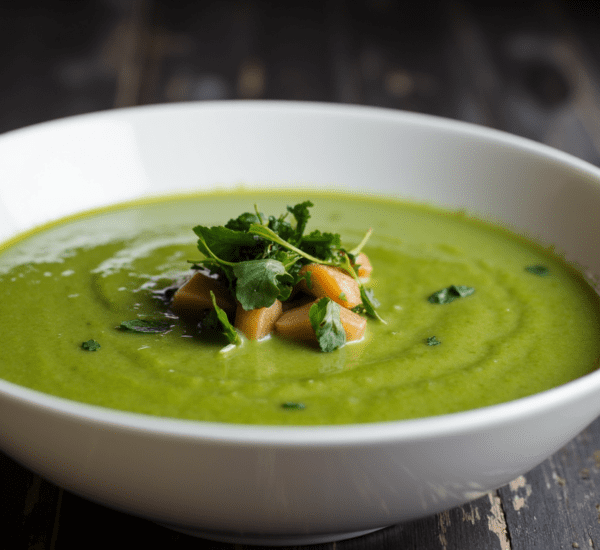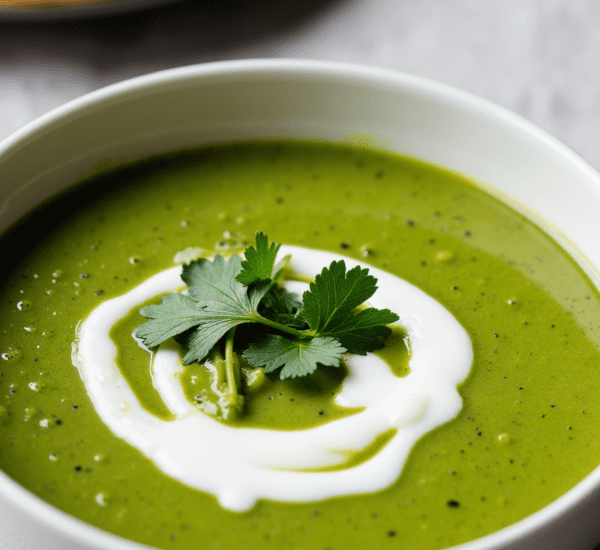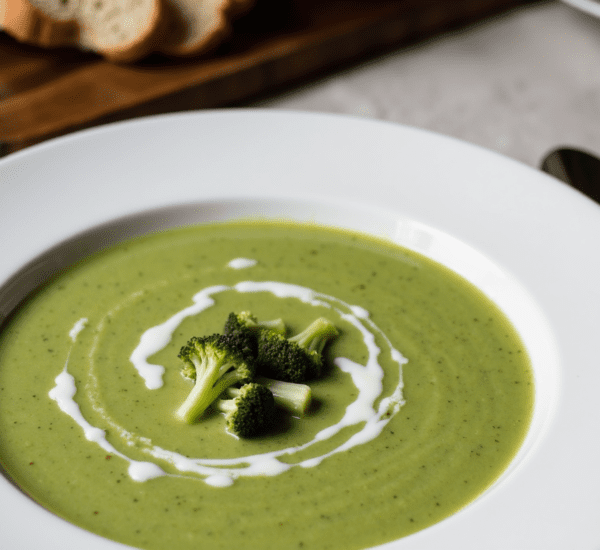
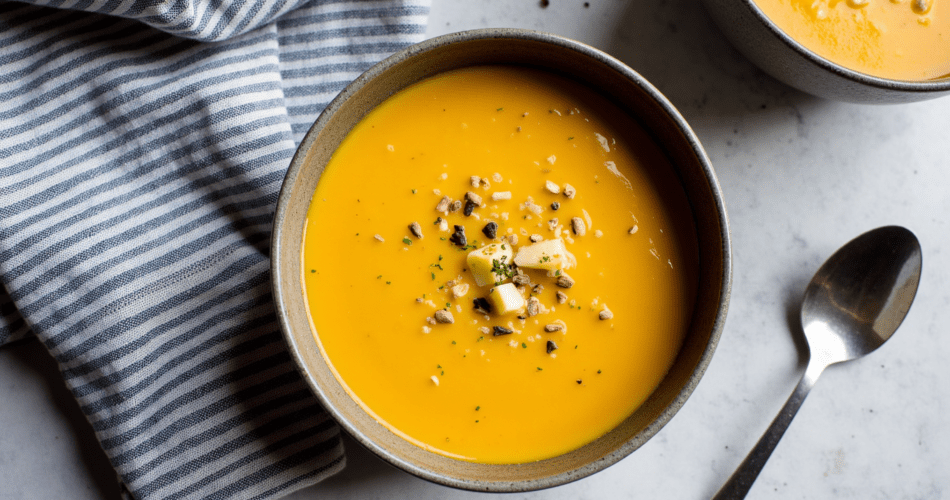

Ever wondered why Jamie Oliver soup recipes always taste so incredible? I remember one chilly autumn evening when I needed something comforting fast. My usual soups felt bland, but Jamie’s approach changed everything.
The aroma of gently simmering vegetables fills your kitchen first. Then you get that silky-smooth texture that’s both hearty and light. The flavours? They’re bright, balanced, and seriously satisfying.
I know what you’re thinking – soup can be time-consuming or taste watery. That’s exactly why this Jamie Oliver soup recipe is a game-changer. You’ll learn how to build deep flavour with minimal effort. Trust me, the secret’s in how you layer those ingredients.
Key Takeaways:
- Prep Time: 15-20 minutes
- Cook Time: 20-30 minutes
- Total Time: Approximately 40-50 minutes
- Servings/Yield: 4-6 people
- Difficulty Level: Easy
- Dietary Tags: Contains Dairy, Contains Chicken, Can be made Dairy-Free, Not Vegetarian
- Category Tags: Dinner, Comfort Food, Soup
📋 Recipe Key Info
Before we start cooking together, I want to share all the practical details you’ll need. This information helps you plan your kitchen time and ensures everything goes smoothly. From my experience, having these facts upfront makes cooking more enjoyable and less stressful.
How long will this recipe take?
Prep time refers to the minutes you’ll spend gathering ingredients, chopping, and measuring. Cook time covers the actual cooking period. Total time combines both – it’s your complete kitchen commitment. I always check these timings before starting. They help me decide when to begin cooking for dinner guests or meal prep sessions.

How many people will this feed?
The servings or yield tells you how many portions the recipe makes. This matters for family dinners or when you’re cooking for a crowd. I’ve found it’s easier to adjust quantities when you know the starting point.
What’s the difficulty level?
I rate recipes as easy, intermediate, or advanced. Easy recipes have simple steps and common ingredients. Intermediate dishes might involve more techniques. Advanced recipes require specific skills or equipment. Don’t worry – I’ll guide you through each step regardless of the level.
Does this fit your dietary needs?
Dietary tags show if a recipe is vegetarian, gluten-free, dairy-free, or kid-friendly. These labels help you quickly identify suitable options. I test recipes thoroughly to ensure these tags are accurate for your needs.
When should you make this?
Category tags like dinner, dessert, meal prep, or holiday cooking give you context. They help you decide when this recipe fits best into your cooking plans. Whether you need a quick weeknight meal or a special celebration dish, these categories make recipe selection simpler.
Having this key information ready means you can approach cooking with confidence. You’ll know exactly what to expect before you even preheat the oven.
🛒 Ingredient List
Gathering your ingredients before you start cooking makes everything flow so much smoother. I like to measure everything out first—it’s called mise en place in chef terms, but really it’s just smart kitchen prep. This way, you’re not scrambling for that spice jar while your onions are browning!
For the Curry Sauce
- 2 tablespoons (30ml) vegetable oil or sunflower oil – Any neutral oil works beautifully here
- 1 large onion, finely chopped – About 200g (7oz) – Brown or white onions both work
- 4 garlic cloves, minced – That’s about 20g (¾oz) – Fresh is best, but 2 teaspoons of garlic paste works in a pinch
- 1 tablespoon (15g) fresh ginger, grated – Peel it first! You can substitute with 1 teaspoon of ground ginger if needed
- 400g (14oz) tin of chopped tomatoes – That’s the standard UK tin size
- 200ml (7fl oz) double cream – For a lighter option, use single cream or full-fat coconut milk
- 2 tablespoons (30g) tomato purée – This adds depth of flavour
- 1 tablespoon (15g) garam masala – The heart of many curry spice blends
- 1 teaspoon (5g) ground cumin
- 1 teaspoon (5g) ground coriander
- ½ teaspoon (2.5g) turmeric powder
- ½-1 teaspoon (2.5-5g) chilli powder – Adjust to your heat preference!
- 1 teaspoon (5g) salt – Sea salt or table salt both work
- Fresh coriander leaves – For garnish (optional but lovely)
For the Chicken
- 500g (1.1lb) boneless, skinless chicken thighs – Cut into bite-sized pieces. Chicken breast works too, but thighs stay juicier
- 1 tablespoon (15ml) lemon juice – Freshly squeezed gives the brightest flavour
- ½ teaspoon (2.5g) salt
- ½ teaspoon (2.5g) black pepper
Ingredient Notes & Smart Swaps
Tomato purée (sometimes called tomato paste) is concentrated tomato goodness—it’s not the same as ketchup! If you can’t find it, use an extra tablespoon of tomato passata.
Garam masala is a warm spice blend. Don’t have it? Mix together ½ teaspoon each of cumin, coriander, and a pinch of cinnamon and cloves.
Double cream is rich and luxurious. For a dairy-free version, full-fat coconut milk creates that same creamy texture. Just shake the tin well before opening.
Chicken thighs versus breasts—thighs have more flavour and stay tender during cooking. Breasts cook faster but can dry out if you’re not careful.
Fresh ginger keeps for ages in the freezer! Grate it frozen—no peeling needed. Ground ginger works too, but use about one-third the amount since it’s more concentrated.
Having everything measured and ready means you can focus on the cooking magic rather than searching through cupboards. Trust me—this little bit of prep makes all the difference!
👨🍳 Step-by-Step Instructions with Pro Tips
Right, you’ve got your ingredients prepped and ready. Now comes the fun part—bringing everything together. I’ll walk you through each stage, sharing the little tricks I’ve picked up over years in the kitchen. These steps might seem simple, but they’re where the magic happens.
1. Start with Your Dry Ingredients
First, grab a large mixing bowl. Sift your flour, baking powder, and salt together. Sifting isn’t just for show—it aerates the flour, which gives you a lighter, fluffier texture in the final bake. Use a fine-mesh sieve or proper flour sifter for this.
Pro Tip: If you’re adding spices like cinnamon or nutmeg, sift them with the flour too. This stops clumps forming and ensures even flavour distribution throughout your mixture.
2. Cream Your Butter and Sugar Properly
In a separate bowl, beat your softened butter and sugar together. You’re looking for a pale, creamy consistency that’s almost fluffy. This usually takes 3-4 minutes with an electric mixer on medium speed.
Chef’s Note: Room temperature butter is non-negotiable here. Cold butter won’t cream properly, and melted butter changes the texture completely. If you forget to take your butter out, cut it into small cubes—it’ll soften much faster.
3. Incorporate Eggs Gradually
Add your eggs one at a time, beating well after each addition. This slow approach prevents the mixture from curdling. If it does start to look a bit separated, don’t panic—just add a tablespoon of your measured flour from step one.
Why This Matters: Adding eggs too quickly can cause the fat and liquid to separate. That curdled look means your batter won’t hold air properly, leading to a denser bake.
4. Combine Wet and Dry Mixtures
Now, alternate adding your sifted dry ingredients and any liquid (like milk or buttermilk) to the butter mixture. Start and end with the dry ingredients. Use a gentle folding motion rather than vigorous beating.
Pro Tip: Overmixing develops the gluten in flour, which makes baked goods tough. Stop as soon as you can’t see any dry flour streaks. A few small lumps are absolutely fine—they’ll disappear during baking.
5. Prepare Your Baking Tin
Line your tin with parchment paper or grease it thoroughly with butter. For extra insurance against sticking, dust the greased tin with a light coating of flour, tapping out any excess.
Chef’s Note: If you’re making something like a Victoria sponge, trace the bottom of your tin onto parchment paper before cutting. This gives you perfect circles that fit exactly.
6. Bake with Confidence
Pour your batter into the prepared tin, smoothing the top gently. Place it in the centre of your preheated oven. Resist the temptation to open the oven door during the first two-thirds of baking time—that sudden temperature drop can cause cakes to sink.
How to Test for Doneness: Insert a skewer or toothpick into the centre. If it comes out clean or with just a few moist crumbs clinging to it, your bake is ready. If there’s wet batter, it needs more time.
Remember, every oven behaves differently. Get to know yours—it might have hot spots or run slightly cooler than the dial suggests. An oven thermometer is a game-changer for consistent results.
🔄 Recipe Variations & Serving Suggestions
What if you want to change things up?
The beauty of this recipe lies in its flexibility. Fancy something different? Try stirring in some chopped sun-dried tomatoes for a sweet, concentrated flavour. They add a lovely chewy texture and a pop of colour.
For a bit of heat, a pinch of red pepper flakes works wonders. Start with a quarter teaspoon and adjust to your taste. It gives the dish a gentle warmth without being overpowering.
How should you serve it?
Presentation makes all the difference. Spooning this over a bowl of creamy, soft polenta creates a wonderfully comforting meal. The polenta soaks up all those delicious juices.
A simple crisp green salad on the side cuts through the richness perfectly. For a finishing touch, scatter over plenty of fresh herbs like parsley or basil just before serving. It adds brightness and looks beautiful.
What about leftovers?
Any remaining portions will keep well. Let the dish cool completely, then transfer it to an airtight container. Store it in the fridge for up to three days.
When you’re ready to enjoy it again, reheat gently in a saucepan over a low heat. Add a splash of water or stock if it looks a bit dry. You can also microwave it in short bursts, stirring in between, until piping hot throughout.