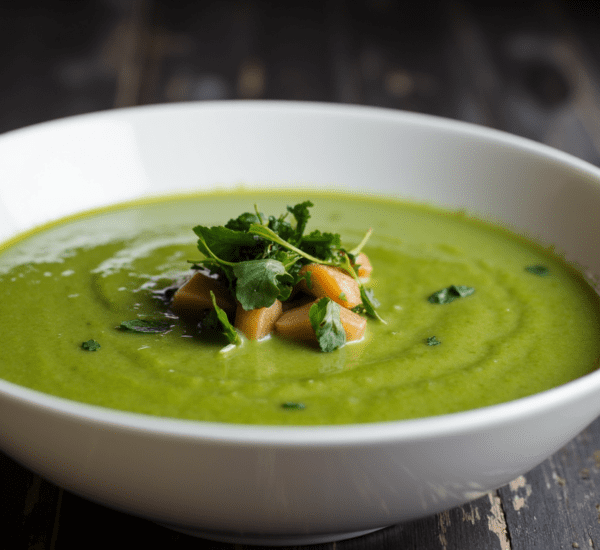


What transforms a simple bowl of soup into pure comfort? My french onion soup recipe answers that question perfectly. I first fell for this dish during a chilly autumn in Paris—stepping into a cosy bistro, the aroma of caramelised onions and rich beef broth wrapping around me like a warm blanket. That memory inspired me to recreate that magic at home.
This version delivers deep, sweet onions swimming in savoury broth, topped with crusty bread and bubbling Gruyère. No more bland, watery versions—this is the real deal. You’ll gain restaurant-quality results without fuss, perfect for when you crave something truly comforting. Trust me, once you master those slow-cooked onions, you’ll understand why this soup feels like a hug in a bowl.
Key Takeaways:
Prep Time: 15 minutes
Cook Time: 25 minutes
Total Time: Approximately 40 minutes
Servings/Yield: 4 people
Difficulty Level: Easy
Dietary Tags: Vegetarian-friendly, Can be made Gluten-Free, Dairy-Free, Kid-Friendly
Category Tags: Main Course, Dinner, Meal Prep, Everyday Cooking, Holiday Gatherings

🧅 Ingredient List
Gathering your ingredients is the first step to kitchen success. Having everything measured and prepped before you start cooking—what chefs call mise en place—makes the whole process smoother. You’ll find this approach transforms cooking from stressful to enjoyable.
For the Curry Base
- Red lentils: 200g (1 cup) – Rinsed well until the water runs clear
- Onion: 1 large (approx. 150g), finely chopped
- Garlic cloves: 3, minced
- Fresh ginger: 2cm piece (about 15g), grated
- Vegetable oil: 2 tablespoons (30ml)
- Ground cumin: 2 teaspoons
- Ground coriander: 1½ teaspoons
- Turmeric powder: 1 teaspoon
- Chopped tomatoes: 1 x 400g tin (14oz)
- Vegetable stock: 750ml (3 cups) – Use a good-quality, low-sodium variety
For the Vegetables
- Sweet potato: 1 medium (approx. 300g), peeled and cubed into 2cm pieces
- Aubergine (eggplant): 1 small (approx. 250g), cubed
- Courgette (zucchini): 1 medium (approx. 200g), sliced into half-moons
- Spinach: 100g (3½oz) – Fresh, washed leaves; you can use frozen if that’s what you have
For the Garnish & Finish
- Fresh coriander (cilantro): A small handful, roughly chopped
- Plain yoghurt: 4 tablespoons – Full-fat gives the creamiest texture
- Lemon juice: 1 tablespoon, freshly squeezed
- Salt and black pepper: To taste
A quick note on those lentils: Red lentils break down beautifully to thicken the curry, creating that lovely, hearty texture. If you only have brown or green lentils, they’ll work too—just know they hold their shape more and may need a slightly longer simmer.
Can’t find an ingredient? No worries—cooking’s about flexibility. If aubergine isn’t your thing, swap it for an extra courgette or some mushrooms. Don’t have fresh ginger? A teaspoon of ground ginger from your spice rack will do in a pinch. For a dairy-free version, coconut yoghurt makes a fantastic substitute for the plain yoghurt garnish.
Choosing ripe, in-season vegetables always makes a difference in flavour. When selecting your sweet potato, look for firm skin without soft spots—it should feel heavy for its size. That fresh coriander at the end isn’t just for looks; its bright, citrusy notes cut through the richness and really lift the whole dish.
👩🍳 Step-by-Step Instructions with Pro Tips
Right, let’s get baking! Follow these simple stages, and you’ll have a beautiful Victoria sponge that’s light as a feather and utterly delicious. I’ll walk you through each part, sharing my favourite kitchen secrets along the way.
1. Prepare Your Ingredients and Equipment
Before you start, gather everything you need. Weigh your flour, sugar, and butter accurately – baking’s a science, and precision matters here. Take your eggs and butter out of the fridge about an hour before you begin; room temperature ingredients combine much more smoothly.
Chef’s Note: Cold butter won’t cream properly with sugar, which affects the cake’s final texture. If you forget to take it out early, cut your butter into small cubes – it’ll come to temperature faster.
2. Cream the Butter and Sugar
Place your softened butter and caster sugar in a large mixing bowl. Using an electric mixer or a wooden spoon, beat them together until the mixture turns pale, fluffy, and almost white. This should take 3-5 minutes with a mixer.
Pro Tip: Don’t rush this stage! Creaming incorporates tiny air bubbles that expand during baking, giving your sponge its lovely light crumb.
3. Incorporate the Eggs
Add your eggs one at a time, beating well after each addition. If the mixture looks like it might curdle (separate), add a tablespoon of your weighed flour with each egg – this stabilises everything.
Chef’s Note: Using room temperature eggs prevents the butter from seizing up, keeping that creamy texture we worked so hard to achieve.
4. Fold in the Dry Ingredients
Sift your self-raising flour and a pinch of salt directly over the bowl. Using a large metal spoon or spatula, gently fold the flour into the wet mixture. Use a figure-eight motion, cutting through the centre and folding from the bottom.
Pro Tip: Stop folding as soon as you can’t see any dry flour. Overmixing develops the gluten in the flour, which can make your cake tough instead of tender.
5. Divide and Bake
Divide the batter equally between two prepared 20cm sandwich tins. Smooth the tops with your spatula, then make a slight dip in the centre of each – this helps them rise evenly.
Bake in the centre of a preheated oven (180°C/160°C fan/gas 4) for 20-25 minutes. The cakes are done when they’re golden, spring back when lightly pressed, and a skewer inserted comes out clean.
Chef’s Note: Don’t open the oven door during the first 15 minutes of baking – the sudden temperature drop can cause your cakes to sink.
6. Cool and Assemble
Leave the cakes in their tins for 5 minutes, then turn them out onto a wire rack to cool completely. Once cool, spread your favourite jam on one layer, whipped cream on the other, then sandwich them together.
Dust the top with icing sugar just before serving. There you have it – a perfect Victoria sponge that’s sure to impress!
🔀 Recipe Variations & Serving Suggestions
What if I want to mix things up?
The beauty of this recipe is how adaptable it is. Once you’ve mastered the basic version, you can play around with different flavours and textures. For a Mediterranean twist, try stirring through some chopped sun-dried tomatoes and a handful of pitted Kalamata olives. If you’re after a bit of heat, a pinch of red pepper flakes or some finely diced fresh chilli will give it a lovely spicy kick. You could even swap the main protein for something like shredded roast chicken or flaked tinned tuna for a completely different meal.
How should I serve this dish?
Presentation makes all the difference! Serve your creation over a bed of creamy polenta or alongside some buttery mashed potatoes for ultimate comfort food. For a lighter option, it’s wonderful with a crisp green salad dressed with a simple lemon vinaigrette. Don’t forget the finishing touches—a generous sprinkle of fresh herbs like parsley or coriander adds colour and freshness, while a grating of Parmesan or Pecorino cheese brings a savoury depth.
What about leftovers and storage?
If you have any leftovers (a rare occurrence in my house!), they store beautifully. Let the dish cool completely, then transfer it to an airtight container. It will keep in the fridge for up to three days. For longer storage, you can freeze portions for up to two months—just thaw overnight in the fridge before reheating.
When you’re ready to enjoy it again, reheat gently in a saucepan over a low heat, adding a splash of water or stock to loosen the sauce if needed. You can also use the microwave, but cover the dish and stir halfway through to ensure even warming. The flavours often develop even more overnight, making tomorrow’s lunch something to look forward to!
🔬 The “Why This Recipe Works” Section
Here’s the secret to our French onion soup‘s incredible depth of flavour. It all starts with proper caramelisation—those onions need time to transform. When you cook them slowly, their natural sugars break down through the Maillard reaction. This creates that rich, sweet, golden-brown colour you’re after.
Deglazing with a splash of dry sherry or white wine makes all the difference. It lifts those tasty browned bits from the pan, adding complex savoury notes to your broth. Speaking of broth, using a quality beef stock builds that essential umami foundation.
The cheese topping matters too. Gruyère melts beautifully without becoming greasy, creating that perfect golden crust. And those toasted croutons? They soak up the delicious liquid while keeping their texture. Trust me on this—each step builds layers of flavour that make this soup truly special.
❓ Frequently Asked Questions (FAQ)
Got questions about this recipe? You’re not alone! Here are answers to the most common queries I receive.
Can I prepare this dish in advance?
Absolutely! Many sauces and stews actually taste better the next day. The flavours have more time to meld together. Just cool it completely, then store in an airtight container in the fridge for up to three days.
Is this recipe freezer-friendly?
Yes, it freezes beautifully. Portion it into freezer-safe containers, leaving a bit of space for expansion. It’ll keep well for up to three months. Thaw overnight in the fridge before reheating gently.
What if I don’t have double cream?
No worries! Full-fat crème fraîche or Greek yoghurt make excellent substitutes. Just stir them in at the very end, off the heat, to prevent curdling. For a dairy-free option, coconut cream works a treat.
Why did my sauce separate?
This usually happens from overheating. If your sauce looks grainy or oily, don’t panic! Remove it from the heat immediately and whisk in a tablespoon of cold water or cream. This often brings it back together beautifully.
How should I reheat leftovers?
Gently does it! Warm it slowly over low heat, stirring frequently. Adding a splash of water or stock helps revive the texture without compromising the rich flavour.
🎯 Conclusion
This French onion soup recipe truly deserves a spot in your regular rotation. The rich, caramelised onions and savoury broth create something special that’s both comforting and impressive.
What makes it a must-try? It fits beautifully into busy schedules—most of the cooking time is hands-off while the onions work their magic. It appeals to all ages, making it perfect for family meals or cosy evenings in. There’s something deeply satisfying about that first spoonful of steaming soup topped with melted cheese.
Give this recipe a go—you won’t regret it. When you do, I’d love to hear how it turned out! Leave a star rating and comment below, or tag me on social media with your creation. Fancy more comforting recipes? Explore our other dishes for your next kitchen adventure.