
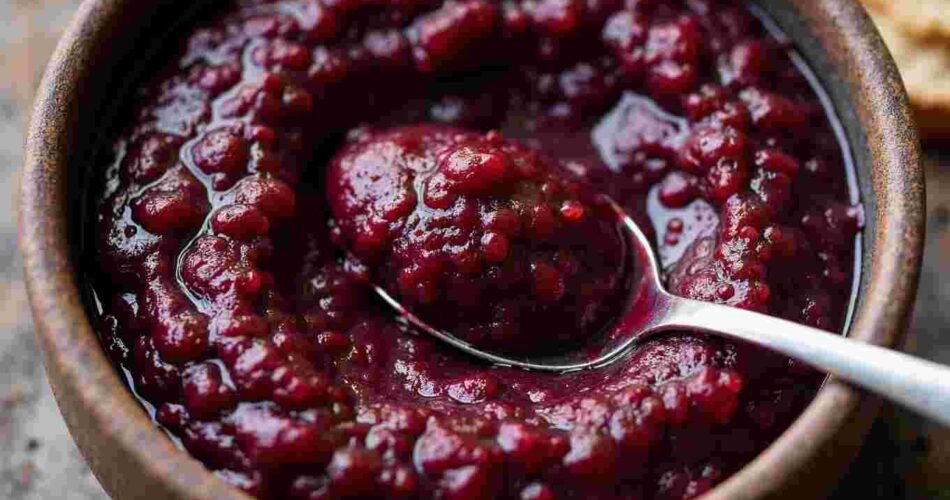

Beetroot chutney is a vibrant, tangy, and slightly sweet condiment that brings a fresh twist to your meals. It’s a game-changer for anyone who loves bold flavours but wants something quick and simple to make. This recipe uses just a handful of ingredients—beetroot, tamarind paste, mustard seeds, and a touch of jaggery—to create a chutney that’s rich in colour and taste. The process is straightforward: you sauté the spices to unlock their aroma, then gently cook the beetroot until tender before blending it all into a smooth, luscious paste. Trust me on this one—serving it with dosa, idli, or plain rice really takes your meal to the next level.
Key Takeaways:
- Prep Time: 10 minutes
- Cook Time: 20 minutes
- Total Time: 30 minutes
- Servings/Yield: 4 servings
- Difficulty Level: Easy
- Dietary Tags: Vegetarian, Vegan, Gluten-Free
- Category Tags: Indian, Side Dish, Condiment
👩🍳 Recipe Key Info
Here’s everything you need to know before jumping into making this Beetroot Chutney—a little kitchen secret that’s sure to be a game-changer with your dosa, idli, or rice. The total time from start to finish is just about 30 minutes, giving you a quick yet flavour-packed side dish. You’ll spend around 10 minutes prepping—like peeling and chopping those vibrant beetroots—and about 20 minutes cooking it all down until the flavours meld beautifully.
This recipe serves four, making it perfect for a family meal or sharing with friends. The difficulty level is gentle enough for cooks at any stage—whether you’re just getting comfortable in the kitchen or already confident with your spice blends.
Let’s talk about the essentials you’ll use. The recipe highlights simple ingredients: medium-sized beetroots, mustard seeds, urad dal (which is a type of split black gram, adding a lovely crunch and depth), dried red chilies, curry leaves, tamarind paste, jaggery or sugar, salt, and a bit of oil. These ingredients come together to create a chutney that’s sweet, tangy, and lightly spicy—a perfect balance that takes your meal to the next level.
A quick tip from experience: letting the cooked beetroot mixture cool before grinding helps you get a smoother texture without any hot steam escaping, which can sometimes make blending tricky. Also, using fresh curry leaves really brings out that authentic flavour you’d expect in a South Indian chutney.
Dietary-wise, this chutney is naturally vegetarian and vegan-friendly, packed with plant-based goodness. It’s gluten-free too, making it an easy option for many diet preferences.
So, with minimal fuss and fuss, you’ve got an exciting, colourful chutney ready to brighten up your plate. Trust me on this one — once you try it, you’ll want to keep this recipe close at hand.
🥕 2. Ingredient List
Getting your ingredients right is a game-changer when making Beetroot Chutney, and it sets you up for a flavoursome success. Here’s a friendly rundown of everything you’ll need, with some handy notes and swaps to keep you confident in the kitchen.
Fresh Produce
- 2 medium-sized beetroots, peeled and chopped
These are the star of the show. Choose firm, smooth-skinned beets with no bruises or soft spots. Freshness here means that vibrant, earthy sweetness in your chutney. You’ll want about 300g (10.5oz) total once peeled and chopped.
Oils & Seeds
- 2 tablespoons oil
A neutral vegetable oil like sunflower or canola works best here, as it won’t overpower the delicate spices. You could also use light mustard oil if you want an extra layer of pungency—just a heads-up, it’s quite strong! - 1 teaspoon mustard seeds
These little seeds bring that characteristic pop and subtle heat. If you’re fresh out, black or brown mustard seeds are fine substitutes. - 1 teaspoon urad dal
Urad dal are split black gram lentils, often used in South Indian cooking to add crispness and texture when fried at the beginning. If you don’t have them, yellow moong dal is a mild alternative.
Spice & Flavour Enhancers
- 2 dried red chilies
They add warmth and a touch of smoky heat. Adjust the number depending on how spicy you like it—feel free to swap for fresh green chilies if you want something fresher and less intense. - 1 sprig curry leaves
This is a bit of a kitchen secret that takes the chutney to the next level. Fresh curry leaves add an aromatic, slightly citrusy note. If you can’t find fresh, dried can be used, but reduce the amount since they’re stronger when dried. - 1 tablespoon tamarind paste
Tamarind brings that sweet and sour zing that balances the earthy beetroot nicely. If you don’t have tamarind paste, lemon juice can work in a pinch, but start with a smaller amount and adjust to taste.
Seasoning and Sweetener
- Salt to taste
Be careful with salt—remember, it enhances all those flavours but too much can throw things off. Start with a small pinch and add gradually. - 1 teaspoon jaggery or sugar
Jaggery is unrefined cane sugar, so it gives a deeper, caramel-like sweetness. If you don’t have jaggery, regular granulated sugar will do just fine. This little touch rounds out the tartness from the tamarind and smooths the flavour.
🍳 3. Step-by-Step Instructions with Pro Tips
Here’s how you can whip up that lovely Beetroot Chutney. Each step is designed to be easy to follow, with some handy pro tips to make sure your chutney turns out just right.

Step 1: Heating the Spices
Start by heating 2 tablespoons of oil in a pan over medium heat. Once it’s nice and hot, add 1 teaspoon mustard seeds, 1 teaspoon urad dal (which is a type of split black gram), 2 dried red chilies, and a sprig of curry leaves.
Pro Tip: Wait until the mustard seeds start to pop—that sizzling sound means the oil is perfectly infused with flavour. Keep an eye so nothing burns. This step releases a fantastic aroma that’s a game-changer for your chutney.
Step 2: Sauté the Beetroot
Next, toss in your 2 medium-sized peeled and chopped beetroots. Sauté them for about 5 minutes, stirring occasionally. This lightly cooks the beetroot and helps it soak up the spices.
Chef’s Note: Make sure your beetroot pieces are roughly the same size so they cook evenly. This takes your chutney to the next level by keeping the texture just right.
Step 3: Adding Flavours
Now, add 1 tablespoon tamarind paste, salt to taste, and 1 teaspoon jaggery or sugar. The tamarind adds a tangy brightness while the jaggery balances it with a touch of sweetness.
Pro Tip: Taste as you go here—balancing sweet, sour, and salty is key. Adjusting these will make your chutney truly your own.
Step 4: Cooking Until Soft
Cook the mixture on low heat until the beetroots are completely soft. This usually takes around 15 minutes but test them with a fork—when they’re tender, you’re there.
Chef’s Note: Stir often to prevent sticking or burning. A gentle simmer is best; too high a heat can scorch your chutney and lose those delicate flavours.
Step 5: Grinding to Perfection
Once cooled, transfer the mixture to a blender and grind it into a smooth paste. You can go as smooth or chunky as you like, but a silky chutney spreads nicely and pairs beautifully with dosa, idli, or rice.
Pro Tip: Letting it cool before blending prevents the chutney from being too watery. Plus, a little patience here really pays off.
With these steps, your homemade Beetroot Chutney will be bursting with flavour and ready to impress. Trust me on this one — it’s not just a condiment; it’s a star on your plate!
🍽️ Recipe Variations & Serving Suggestions
Now, here’s the fun part—the ways you can enjoy and tweak your Beetroot Chutney to really make it your own. This vibrant chutney is wonderfully versatile, and with a few simple twists, you can keep your meals exciting.
Creative Twists to Try
If you fancy adding more warmth, a pinch of freshly grated ginger or a clove of garlic sautéed with the mustard seeds can take it to the next level. For a nuttier flavour, toss in some roasted peanuts or cashews when blending the chutney—this adds a lovely texture and richness. If you prefer a hint of freshness, stir in some chopped coriander leaves just before serving. On the spicier side? A dash of red chili powder or extra dried red chilies do the trick.
Serving Ideas
Traditionally, Beetroot Chutney pairs beautifully with dosa, idli, or plain steamed rice — classics that highlight its sweet-tangy punch. But don’t stop there! It’s a game-changer when spread on sandwiches or wraps, especially with grilled veggies or paneer. You can also dollop it alongside roasted meats or even baked potatoes for a flavour boost.
Try swirling some into plain yoghurt for an instant raita-style dip—great for cooling down spicy curries or just as a refreshing snack dip.
Leftover & Storage Tips
This chutney stores nicely in an airtight container in the fridge for up to 5 days. Give it a good stir before using, as natural separation can happen. If you want to keep it longer, freezing in small portions works well—just thaw it overnight in the fridge.
Always make sure your utensils are clean when scooping out chutney to avoid contamination. Trust me on this one; it helps the chutney stay fresh and safe to enjoy.
Feel free to experiment with these variations and serving ideas. Beetroot Chutney isn’t just a side—it’s a little kitchen secret that lifts whatever you put it with. Enjoy making it your own!
🧪 Why This Recipe Works
This Beetroot Chutney recipe is a real winner because it combines simple ingredients and smart techniques that bring out amazing flavours and textures. The first magic trick? Tempering the mustard seeds, urad dal, dried red chilies, and curry leaves in hot oil. This step, known as “tadka,” releases essential oils and aromas that give the chutney its signature punch. Trust me, skipping this or doing it lightly just won’t give you the same depth.
Then, there’s the beetroot itself. Sautéing the chopped beets in the tempered spices for about 5 minutes softens them up just right and starts bringing out their natural sweetness. While they’re cooking, adding tamarind paste is a game-changer. Tamarind gives a gentle tang that balances perfectly with the earthiness of the beetroot and the warmth of the spices. It’s this contrast that really takes the chutney to the next level.
Adding jaggery or sugar does more than just sweeten things up. It helps round off the sharp tamarind and spices, creating a smooth, harmonious flavour profile. Cooking until the beets are soft ensures you get that creamy texture when you grind everything down. Cooling the mixture first prevents any unwanted steam from making the chutney watery once ground, so you get a rich, thick paste.
All these steps come together with careful timing and balancing of flavours—no complicated ingredients needed. The result? A reliable, delicious chutney you can whip up any day, pairing beautifully with dosa, idli, or even plain rice. It’s a simple recipe that’s full of heart and taste, crafted to make your kitchen life easier and a lot more flavourful.
❓ 6. Frequently Asked Questions (FAQ)
Can I make beetroot chutney ahead of time?
Absolutely! This chutney actually tastes better after the flavours have had time to mingle. You can make it a day or two ahead and keep it in an airtight container in the fridge. Just give it a good stir before serving to bring it back to life.
Can I freeze beetroot chutney?
Yes, you can freeze it, and it freezes well too! Spoon the chutney into a freezer-safe container or bags, leaving some space for expansion. When you’re ready to use it, thaw it in the fridge overnight and warm it gently on the stove before serving. Just avoid refreezing once thawed to keep the best texture and flavour.
What can I use if I don’t have tamarind paste?
If tamarind paste isn’t handy, don’t worry. You can substitute it with lemon juice or a mix of equal parts lemon juice and a pinch of brown sugar for that sweet-sour balance. It’s not exact, but it’s a great workaround that keeps the chutney tangy and vibrant.
Can I swap jaggery for sugar?
Yes, you can swap jaggery — an unrefined cane sugar with a rich, caramel-like flavour — for regular sugar if needed. Brown sugar is a closer match because it adds a similar depth, but plain white sugar will work fine too. Just remember, the flavour might be a little lighter.
Why is my chutney too watery?
If your chutney turns out more watery than you’d like, it usually means the beetroots released extra moisture during cooking. Cooking it a bit longer uncovered helps the water evaporate. You can also simmer it on low heat after grinding to thicken it up.
How do I know when the beetroots are soft enough?
The beetroots should be tender enough that a fork slides in easily — usually about 15-20 minutes of cooking. If they’re still a bit firm, keep cooking a little longer. Soft, well-cooked beetroot is the secret to that silky, smooth chutney texture.
Hopefully, these answers make your chutney-making a breeze. Trust me on this one—the effort pays off with a chutney that truly takes your meal to the next level!
🍽️ Conclusion
Beetroot Chutney is truly a game-changer in any kitchen, thanks to its beautiful balance of earthy beetroot, tangy tamarind, and a touch of sweetness from jaggery. The process—starting with tempering mustard seeds, urad dal, chilies, and curry leaves, then sautéing the beets before simmering with tamarind and jaggery—takes about 30 minutes but feels effortless. Trust me on this one: the smooth, vibrant chutney pairs wonderfully with dosa, idli, or even plain rice, taking your meal to the next level. Give it a go, and enjoy this simple yet flavorful recipe that’s perfect for home cooks of all levels!