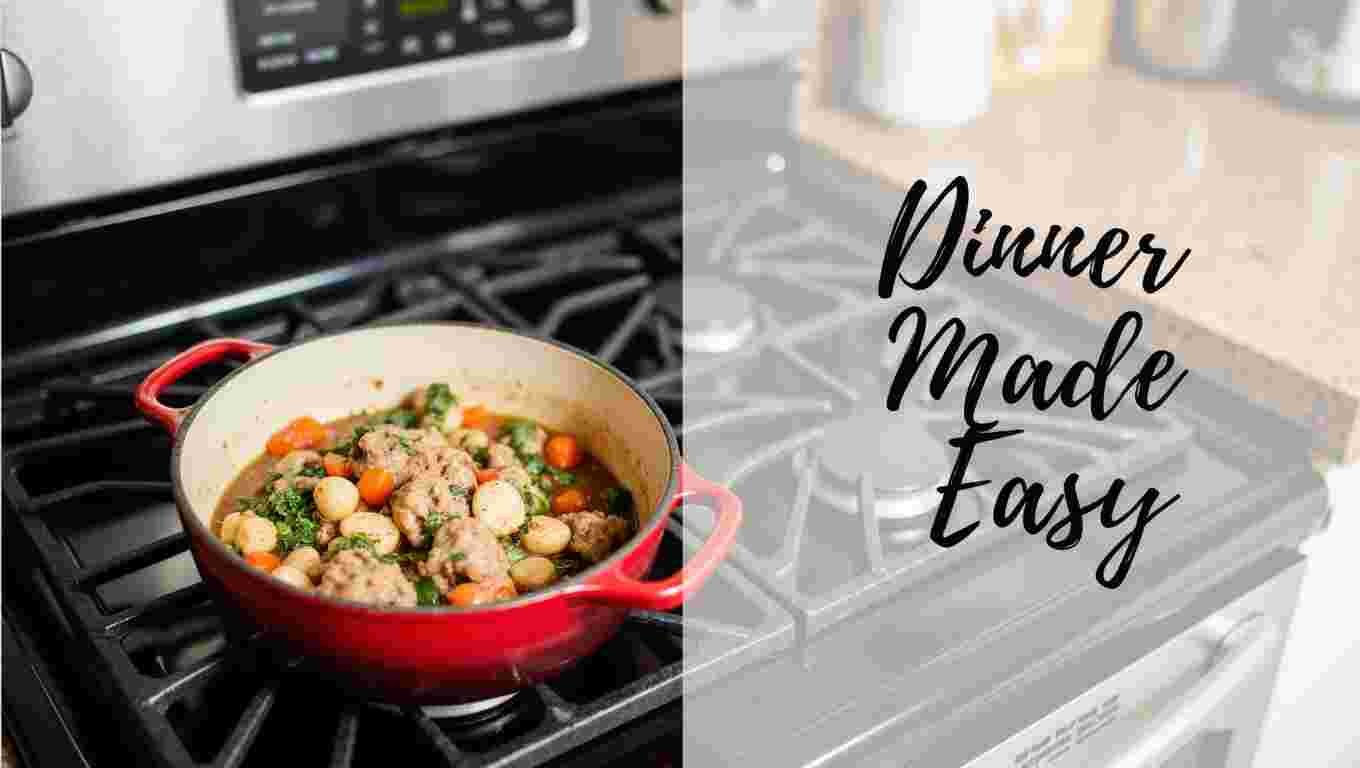


I still remember my first taste of proper Bombay potatoes at a friend’s Diwali gathering years ago. The aroma of warm spices filled the air, and those golden, crispy-edged potatoes tasted like pure comfort. That’s exactly what I want to share with you today—my go-to bombay potato recipe that’s become a family favourite.
These aren’t just any spuds. They’re fragrant with turmeric and cumin, beautifully crispy on the outside yet fluffy within. Perfect for busy weeknights when you need something quick but special. No more worrying about dry chicken or bland sides—this dish satisfies even the fussiest eaters. You’ll gain a simple, flavour-packed solution that brings restaurant-quality Indian food right to your kitchen table.
Key Takeaways:
Prep Time: 15 minutes
Cook Time: 30 minutes
Total Time: Approximately 45 minutes
Servings/Yield: 4 generous portions
Difficulty Level: Easy
Dietary Tags: Vegetarian, Can be made Gluten-Free, Dairy-Free, Kid-Friendly
Category Tags: Weeknight Dinner, Meal Prep

📋 Recipe Key Info
Before we get started, let’s look at the practical bits you’ll want to know. Having a clear picture of the time commitment and what you’re making helps everything run smoothly in the kitchen.
You’ll need about 15 minutes to get all your ingredients measured and prepped—that’s your preparation window. The actual cooking time comes in at 30 minutes, where the magic happens on the hob or in the oven. All told, from start to finish, you’re looking at 45 minutes of total time.
This recipe makes 4 generous portions, perfect for a family meal or for having leftovers for lunch the next day. I’d rate the difficulty as Easy—it’s straightforward with clear steps, ideal for beginners or when you want something fuss-free after a long day.
Dietary-wise, this dish is naturally Vegetarian and can easily be made Gluten-Free with a simple swap. It’s also Dairy-Free and definitely Kid-Friendly, with flavours that appeal to all ages.
Think of it as a brilliant Weeknight Dinner solution, but it also works beautifully for Meal Prep. You can make a big batch ahead of time. A little tip: if you do your veg chopping in advance, you’ll cut that prep time right down and have dinner on the table even faster.
🛒 Ingredient List
For the Chicken Marinade:
- 600g (1.3lb) boneless, skinless chicken thighs, cut into bite-sized pieces
- 150g (5.3oz) plain yoghurt (full-fat works best for creaminess)
- 2 tablespoons fresh lemon juice (about 1 medium lemon)
- 2 teaspoons garam masala
- 1 teaspoon ground turmeric
- 1 teaspoon fine sea salt
For the Curry Sauce:
- 2 tablespoons vegetable oil or ghee (clarified butter)
- 1 large onion, finely chopped (about 200g/7oz)
- 4 garlic cloves, minced
- 2cm (1 inch) fresh ginger root, grated
- 1 tablespoon tomato purée (tomato paste)
- 400g (14oz) tin chopped tomatoes
- 200ml (7fl oz) double cream (heavy cream)
- 1 tablespoon packed brown sugar (light or dark both work)
- 1 teaspoon ground cumin
- ½ teaspoon chilli powder (adjust to your heat preference)
- Fresh coriander leaves for garnish
Getting your ingredients prepped and measured before you start cooking—what we call mise en place—makes the whole process smoother. You’ll feel like a pro chef with everything lined up and ready to go.
Notice I’ve specified “full-fat yoghurt” and “double cream”? That’s not just about richness—the higher fat content helps the marinade cling to the chicken and creates a more stable, luxurious sauce. If you’re dairy-free, coconut yoghurt and coconut cream work beautifully as substitutes.
The “packed brown sugar” measurement matters too. When we say “packed,” we mean pressing the sugar firmly into your measuring spoon until it holds its shape. This ensures consistent sweetness every time.
Fresh lemon juice makes a real difference here—the bottled stuff often has preservatives that can affect the marinade’s chemistry. No fresh lemons? White wine vinegar or lime juice can pinch-hit in a pinch.
For those watching their spice levels, the chilli powder is completely adjustable. Start with a quarter teaspoon if you’re sensitive, or swap in smoked paprika for flavour without the heat. And if garam masala isn’t in your cupboard, a mix of ground coriander and cumin with a pinch of cinnamon gets you close.
Having these ingredients pre-measured means you can focus on the cooking magic rather than scrambling for measurements mid-recipe. Trust me—it’s a game-changer for stress-free kitchen time.
👨🍳 Step-by-Step Instructions with Pro Tips
Right, let’s get stuck in! Following these steps carefully makes all the difference between a good bake and a great one. I’ve included my favourite kitchen secrets along the way to help you nail it.
1. Prep Your Ingredients and Equipment
Before you start mixing, measure everything out. This ‘mise en place’ approach keeps you organised and prevents frantic searches mid-recipe. Grease your tin with butter and line it with baking parchment for easy release later.
Chef’s Note: Use room temperature eggs and butter unless specified otherwise. They incorporate much more easily into batters, giving you a smoother, more uniform mixture.
2. Combine Your Dry Ingredients
Sift your flour, baking powder, and any spices into a large bowl. Sifting aerates the flour, preventing lumps and helping your bake rise evenly. Give everything a good whisk to distribute the leavening agents thoroughly.
Pro Tip: If you’re adding chocolate chips or dried fruit, toss them in a tablespoon of the measured flour first. This coating stops them sinking to the bottom during baking.
3. Cream Butter and Sugar
This is where the magic starts. Beat your softened butter and sugar together until the mixture is pale, fluffy, and noticeably increased in volume. This process traps air, which is essential for a light, tender crumb.
Kitchen Secret: Don’t rush this step! Proper creaming takes 3-5 minutes with an electric mixer. The sugar should feel completely dissolved when rubbed between your fingers.
4. Incorporate Eggs and Wet Ingredients
Add your eggs one at a time, beating well after each addition. If the mixture looks like it’s curdling, add a spoonful of your pre-measured flour to stabilise it. Then mix in any other wet ingredients, like vanilla extract or milk.
Why this matters: Adding eggs gradually allows the fat to emulsify properly, creating a stable base for the rest of your ingredients.
5. Fold in Dry Ingredients
Add your sifted dry ingredients to the wet mixture in two or three batches. Use a large metal spoon or spatula and employ a gentle, folding motion. You want to combine them without knocking out all that precious air you worked so hard to incorporate.
The golden rule: Stop mixing as soon as you can’t see any streaks of flour. A few small lumps are far better than an overworked, tough batter.
6. Bake and Test for Doneness
Transfer your batter to the prepared tin and smooth the top. Bake in the centre of a preheated oven. Avoid opening the door during the first three-quarters of the baking time.
How to know it’s done: The classic skewer test is your best friend. Insert a toothpick or thin skewer into the centre of the bake. It should come out clean or with a few moist crumbs attached, not wet batter.
7. Cool Completely
This might be the hardest step—waiting! Let your bake cool in the tin for 10-15 minutes before turning it out onto a wire rack. Cooling completely allows the structure to set properly, making it easier to slice and improving the texture.
Follow these guidelines, trust the process, and you’ll be amazed at what you can create. Happy baking
🔄 Recipe Variations & Serving Suggestions
Once you’ve mastered the basic recipe, you’ll find it’s wonderfully adaptable. That’s the beauty of this dish—it welcomes your personal touch and creative flair.
Creative Twists to Try
For a Mediterranean vibe, stir in some chopped sun-dried tomatoes and a handful of black olives during the last few minutes of cooking. If you’re after a bit of heat, a generous pinch of red pepper flakes or a finely chopped fresh chilli will give it that spicy kick. Vegetarian? Swap the meat for roasted aubergine or courgette—they soak up all those lovely flavours beautifully.
Perfect Pairings & Presentation
This dish really shines when served over creamy polenta or a bed of fluffy couscous. For a lighter option, spoon it over a crisp green salad with a lemony vinaigrette. Don’t forget the finishing touches—a scattering of freshly chopped herbs like parsley or coriander adds colour and freshness, while a drizzle of good-quality olive oil or a sprinkle of grated Parmesan cheese takes it to the next level.
Storing & Reheating Your Leftovers
Any leftovers keep beautifully in the fridge for up to three days when stored in an airtight container. For longer storage, freeze portions for up to two months. When reheating, add a splash of water or stock to prevent drying out, and warm gently over medium heat until piping hot throughout. The flavours often deepen overnight, making tomorrow’s lunch even more delicious!
🔍 Why This Recipe Works
You might wonder what makes these Bombay potatoes so reliably delicious every time you make them. The secret lies in a few clever techniques that work together beautifully.
First, we parboil the potatoes before roasting. This step is crucial—it starts cooking the potatoes’ interior while creating a slightly rough surface. That rough texture helps the spices cling better, giving you maximum flavour in every bite. When those parboiled potatoes hit the hot oil, they develop that perfect crispy exterior we all love.
The spice blend gets special treatment too. We bloom the whole spices in oil first. This gentle heating releases their essential oils and deepens their flavours dramatically. It transforms them from simply aromatic to richly complex. The ground spices join later to prevent burning while still infusing the dish with their vibrant character.
Finally, the cooking method matters. Roasting at just the right temperature allows the potatoes to become beautifully crisp outside while staying fluffy inside. The spices have time to meld together, creating that signature Bombay potato flavour profile—warm, aromatic, and utterly moreish.
❓ Frequently Asked Questions (FAQ)
Got questions about this recipe? You’re not alone! Here are the answers to what home cooks ask most often.
Can I prepare this dish in advance?
Absolutely! You can make this up to 24 hours ahead. Just cover it tightly and pop it in the fridge. The flavours actually develop beautifully overnight.
Will it freeze well?
Yes, this freezes beautifully for up to 3 months. Use airtight containers, and thaw it overnight in the refrigerator before reheating gently.
Why did my sauce separate?
This usually happens from overheating. Keep your heat low and steady, and always whisk continuously. If it does break, a splash of cold water while whisking can often bring it back together.
How do I store leftovers?
Leftovers keep for 3-4 days in the fridge. Reheat them gently on the hob or in the microwave, adding a splash of water if needed to refresh the texture.
Can I double the recipe?
You certainly can! Just use a larger pan and extend the cooking time slightly. The method stays exactly the same.
🎯 Conclusion
This bombay potato recipe has become a real favourite in our kitchen—it’s that perfect balance of comforting and flavourful. The spices work their magic, transforming simple potatoes into something truly special.
I hope you love this recipe as much as we do! It’s one of those dishes that feels like a warm hug on a plate.
If you make this recipe, I’d love to hear from you! Leave a star rating and comment below to let me know how it turned out. Don’t forget to share your creation—tag me on Instagram [@dinnermadeeasy4you].
For more easy dinners, check out the following recipes. Happy cooking!
- Sweet Potato And Chorizo Soup: Your New Autumn Comfort Food
- Jamie Oliver Watercress Soup Recipe In 30 Minutes
- Jamie Oliver Soup Recipe: Never Make Bland Soup Again