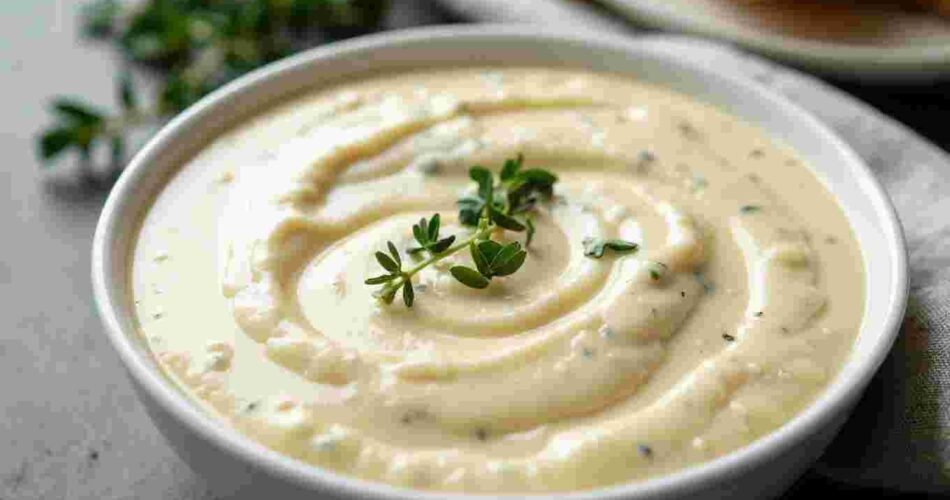

Bearnaise Sauce is a classic French sauce made from egg yolks, butter, and flavored with tarragon, shallots, and white wine vinegar. I still remember the first time I whipped up this sauce—it was a chilly evening, and the rich, buttery aroma filled my kitchen, making every bite of my steak feel like a special celebration. The sauce has this creamy, velvety texture with a tangy, herbal kick that really takes your dish to the next level. By learning this recipe, you’ll gain a simple yet impressive sauce that’s perfect for elevating meals without stress. Trust me on this one—once you master the temperature control in whisking the yolks, you avoid curdling and get smooth perfection every time.
Key Takeaways:
- Prep Time: 10 minutes
- Cook Time: 10 minutes
- Total Time: 20 minutes
- Servings/Yield: 4 servings
- Difficulty Level: Intermediate
- Dietary Tags: Gluten-Free
- Category Tags: Dinner, Holiday Meals, French Sauce
1. Recipe Key Info 🕒
Here’s the lowdown on this classic Bearnaise Sauce recipe to help you plan your cooking adventure smoothly. Prep Time clocks in at about 10 minutes since you’ll be chopping shallots and tarragon, plus getting your ingredients set. Cooking Time takes roughly 10 minutes too, mostly for simmering the vinegar mixture and carefully whisking the egg yolks with butter until that velvety texture shines through. Altogether, you’re looking at around 20 minutes from start to finish—a perfect timeframe if you want something impressive but not too time-consuming.
This recipe yields about 4 servings, so it’s great for a small dinner party or a family meal. Bearnaise Sauce is a bit on the intermediate side when it comes to difficulty because it requires your attention while whisking eggs over simmering water—this step, called a double boiler method, helps prevent scrambling. But don’t worry, with a little patience, you’ll master it!
Diet-wise, this sauce is gluten-free, which suits many dietary needs. It’s rich and buttery but doesn’t fit vegetarian diets that avoid eggs and dairy. So, it’s perfect if you’re cooking for those who enjoy classic French sauces without gluten worries. As for when to serve it, Bearnaise shines in categories like Dinner and Holiday meals—it’s a fancy, flavorful finishing touch for steak, fish, or roasted veggies when you want to impress.
Knowing these details helps you manage your time, set expectations for difficulty, and pick the right occasion. Ready to add that gourmet flair? This Bearnaise Sauce recipe’s got you covered!
2. Ingredient List for Bearnaise Sauce 🍳
Here’s everything you’ll need to whip up a classic Bearnaise Sauce that’s rich, tangy, and packed with fresh herb goodness. I’ve organized the ingredients based on the recipe steps, making it easier for you to prep and keep track as you go along.
For the Reduction
- 1/4 cup (60 ml) white wine vinegar
- 1/4 cup (60 ml) dry white wine
- 2 tablespoons finely chopped shallots (about 1-2 small shallots)
- 1 tablespoon fresh tarragon leaves, chopped (reserve half for later)
This acidic blend is the heart of the sauce. The white wine vinegar and dry white wine add that bright, tangy kick, while the shallots bring a gentle sweetness and depth. Fresh tarragon is essential here—it gives Bearnaise its signature flavor with those slightly licorice-like notes. If you can’t find fresh tarragon, a 1:1 substitution with fresh chervil or a pinch of dried tarragon works, but keep in mind the flavor won’t be quite as vibrant.
For the Emulsion
- 3 large egg yolks
- 1/2 cup (115 g) unsalted butter, melted
Egg yolks create the creamy base, acting as an emulsifier, which means they help blend the vinegar reduction and melted butter into a smooth, velvety texture. Using unsalted butter is key because it lets you control the saltiness perfectly. If you only have salted butter on hand, reduce or omit the added salt in the recipe. For a dairy-free twist, you could try a clarified butter substitute like ghee or a mild oil like avocado, but note the sauce texture and flavor will shift.
For Seasoning
- Salt and white pepper to taste
- 1 teaspoon fresh lemon juice
White pepper is used here instead of black because it won’t show specks in the pale sauce and adds a gentle heat. Salt balances all the flavors, and the lemon juice brightens the whole mix with fresh acidity. If you don’t have fresh lemon juice, bottled will work, but fresh really makes a difference in freshness.

Don’t worry if some ingredients feel a little unfamiliar—you’ve got options to adjust for your kitchen or dietary needs without losing that lovely Bearnaise essence. Precise measurements help maintain the perfect balance between richness and tang, so keeping those handy will give you the best results. Now that we’ve gathered our ingredients, you’re one step closer to creating a sauce that’ll impress any dinner guest!
3. Step-by-Step Instructions with Pro Tips for Bearnaise Sauce 👩🍳
Making Bearnaise Sauce might seem a bit fancy, but with the right steps, you can nail it every time. This sauce is all about balancing flavors and getting that silky, creamy texture that clings perfectly to steak, veggies, or whatever you’re serving. Here’s how to do it, piece by piece—with some chef’s secrets sprinkled in to help you master it confidently.
1. Combine and Reduce the Vinegar Mixture
Start by mixing 1/4 cup white wine vinegar, 1/4 cup dry white wine, 2 tablespoons finely chopped shallots, and half of your finely chopped fresh tarragon leaves in a small saucepan.
Bring this mixture to a gentle simmer.
Pro Tip: Keep an eye on it and let it reduce down to about 2 tablespoons. This step is crucial because reducing concentrates the flavors, giving your sauce that classic tang and herbal brightness without any harshness. If you rush it or don’t reduce enough, your sauce might turn out watery or too sharp. Once reduced, strain out the solids and let the vinegar mixture cool a bit before moving on.
2. Whisk Egg Yolks with the Vinegar Reduction
Grab a heatproof bowl that can sit snugly over a pot of simmering water—this setup is called a double boiler (or bain-marie). Pour your 3 large egg yolks into the bowl, then add the cooled vinegar reduction.
Now, whisk the yolks and vinegar mixture continuously over the simmering water. The key here is gentle heat—hot enough to cook the yolks but not so much that you scramble them.
Chef’s Note: Whisking steadily helps the sauce thicken evenly. You’ll know it’s ready when the mixture becomes pale, creamy, and just coats the back of a spoon. If it’s too thin or runny, keep whisking—it might just need a bit more time. The sauce thickening here is due to the egg yolks gently cooking and emulsifying.
3. Gradually Incorporate Melted Butter
Once the egg yolk mixture is thick and creamy, it’s time to stir in 1/2 cup melted unsalted butter. But here’s the catch: add the butter slowly and steadily while whisking continuously.
Why slow? This gradual incorporation is what creates the smooth, glossy emulsion Bearnaise is famous for. Pouring the butter too quickly can cause the sauce to “break,” meaning the fat separates from the eggs and you end up with a greasy, grainy mess instead of a silky sauce.
Pro Tip: Keep your melted butter warm but not scorching. If it’s too hot or too cold, the emulsion won’t come together nicely. If the sauce does start to split, don’t panic—you can often save it by whisking in a teaspoon of cold water or starting with a fresh egg yolk and slowly whisking the broken sauce into it.
4. Season and Finish with Fresh Flavors
When your sauce looks thick and shiny, remove it from heat. Add salt and white pepper to taste. White pepper keeps the sauce looking pretty without those black specks you’d get from black pepper.
Squeeze in about 1 teaspoon of fresh lemon juice for a final hit of brightness—it lifts the whole sauce and balances the richness. Stir in the remaining chopped tarragon leaves for that lovely herbal punch.
Chef’s Note: Taste as you go! The balance of salt, acid, and herbs really makes Bearnaise stand out. Don’t be shy with adjustments.
5. Serve Immediately
Bearnaise Sauce is best served fresh and warm. If it sits too long, it can thicken too much or separate. Pour it generously over your favorite dish right away.
Pro Tip: If you need to hold it for a little bit, keep it in a warm spot—not hot—and whisk gently before serving to revive the texture.
With these detailed steps and tips, you’ve got a reliable path to Bearnaise bliss. The magic lies in patience—reducing the vinegar well, whisking steadily, and adding butter slowly. Trust the process, and soon you’ll be impressing friends with a sauce that’s buttery, tangy, and perfectly balanced every time. Let this be your go-to method for smooth, luscious Bearnaise Sauce!
Recipe Variations & Serving Suggestions 🍽️
Imagine giving your Bearnaise Sauce a fresh twist that makes it even more your own. Since the classic sauce is all about that rich, tangy tarragon flavor with a buttery finish, you can gently nudge it in new directions without losing its soul. For instance, try stirring in some finely chopped sun-dried tomatoes. Their sweet, intense punch blends beautifully with the tarragon’s earthiness, adding depth and a subtle chewiness. If you like a little heat, sprinkle in red pepper flakes while you whisk the egg yolks — it gives the sauce a warm, spicy hug that wakes up every bite.
Now, let’s talk about what to serve that silky sauce with. Bearnaise shines superbly over a perfectly seared steak, its creamy richness cutting through the meat’s savory savor. But don’t stop there — try it draped over fried eggs for a decadent brunch twist or spooned generously on roasted veggies like asparagus, carrots, or even artichokes. Those caramelized edges soak up the sauce like magic. For an extra cozy side, creamy polenta with Bearnaise poured over it feels like a warm kitchen hug on a plate.
What if you’ve got some Bearnaise left after your meal? You’re in luck. This sauce keeps well in an airtight container in the fridge for up to two days. When it’s time to reheat, do it gently over very low heat or in a double boiler, stirring constantly so it stays smooth and doesn’t break (that means the butter and egg yolk separate). Avoid the microwave as it can make the sauce curdle. If you notice it’s too thick, add a teaspoon or two of warm water to bring back that perfect saucy texture.
With these ideas, your Bearnaise Sauce won’t just stick to steak—it’ll become the star ingredient across your meals, making each one feel a little more special.
Why This Bearnaise Sauce Recipe Works 🔬
This Bearnaise Sauce recipe is a reliable winner because it carefully balances classic techniques and food science to create that rich, creamy texture and deep flavor you expect. One key step is reducing the vinegar mixture — combining white wine vinegar, dry white wine, shallots, and fresh tarragon and simmering until it shrinks down to about two tablespoons. This concentrated reduction not only infuses the sauce with bright acidity and herbal notes but also ensures the flavors won’t be watery or weak once mixed with the egg yolks.
Speaking of egg yolks, they’re the heart of this sauce, and turning them into a luscious base depends on gentle, controlled heat. We whisk the yolks with the vinegar reduction over simmering water, creating a gentle warming bath called a double boiler. This slow heating thickens the yolks without scrambling them, forming a silky custard that’s perfect for emulsification.
Emulsification happens as you whisk in the melted butter little by little. This process suspends fat droplets evenly throughout the egg yolk base, giving the sauce its signature glossy, smooth texture. Adding the butter gradually while whisking keeps the mixture stable and prevents it from breaking — that dreaded moment when fat and liquid separate. Controlling the temperature throughout avoids overheating, which can cause curdling, and keeps the sauce silky and luxurious.
All these steps work together to create Bearnaise Sauce that’s rich, stable, and bursting with flavor. When you follow this method, you’re not just mixing ingredients—you’re mastering kitchen chemistry that makes every batch as delicious as the last.
6. Frequently Asked Questions (FAQ) ❓
Can I make Bearnaise Sauce ahead of time?
You sure can, but Bearnaise sauce is at its best fresh. If you want to prepare it a little ahead, keep it warm in a double boiler or a thermos for up to an hour. Just give it a gentle whisk before serving to bring back the silky texture.
Is Bearnaise sauce freezable?
Freezing Bearnaise isn’t the best idea. This sauce relies on a delicate emulsion of egg yolks and butter, which can separate and turn grainy after freezing and thawing. Instead, it’s best enjoyed fresh or within a few hours of making it.
What’s the best substitute for tarragon in Bearnaise Sauce?
If you don’t have fresh tarragon, dried tarragon can work—just use about a third of the fresh amount since dried herbs are more concentrated. Another handy swap is fresh chervil or a mix of fresh dill and parsley to mimic that anise-like flavor.
Why might my Bearnaise sauce break or curdle?
This happens when the sauce overheats or if the butter is added too quickly. The egg yolks can scramble, or the emulsion can separate, leaving you with a grainy mess. To avoid this, whisk gently over low heat and add the melted butter bit by bit—not all at once.
How can I fix a broken Bearnaise sauce?
If your sauce breaks, don’t worry—it’s fixable! Put a fresh egg yolk in a clean bowl and slowly whisk in the broken sauce. This can help it come back together, restoring that smooth, creamy texture.
Can I make Bearnaise without alcohol?
Absolutely! You can swap the white wine and vinegar for a mix of white grape juice and a splash of lemon juice or apple cider vinegar. It won’t be exactly the same, but you’ll keep that nice tang without the alcohol.
These tips come straight from the kitchen to yours, so you can feel confident tackling Bearnaise sauce, whether you’re making it for a special occasion or just treating yourself.
Conclusion 🎉
Making Bearnaise Sauce might seem fancy, but with simple steps and fresh ingredients like tarragon and shallots, you’re really just creating a classic, rich sauce that brightens any meal. Remember how we gently whisked the egg yolks with the vinegar reduction and slowly folded in the butter to get that creamy, glossy texture? That little trick makes all the difference. I encourage you to give this recipe a go—you’ll be surprised how satisfying it is to master such a delicious sauce at home. Don’t forget to share how it turns out, leave your feedback, or try it alongside other favorites like Chicken Parmesan. Keep cooking and enjoying great flavors!