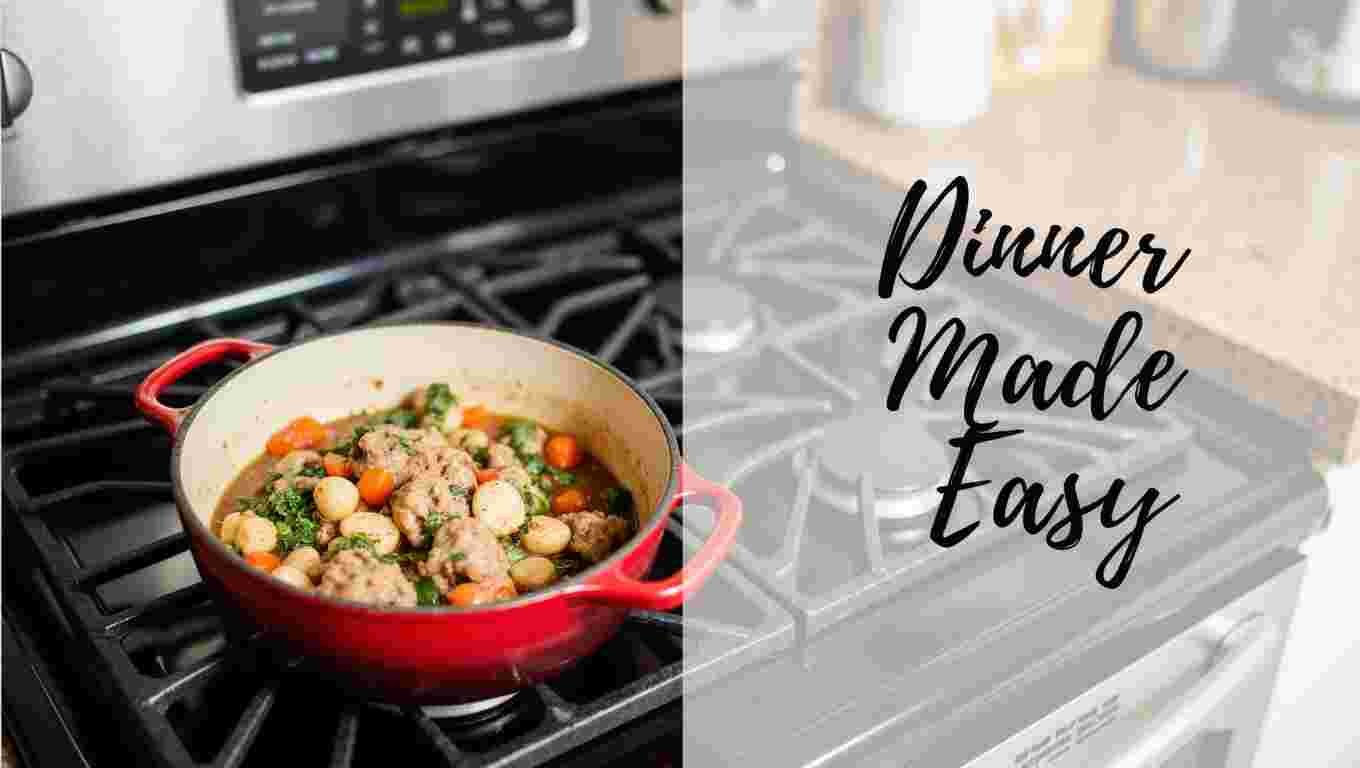


The first time I made this dish, it was a cold Sunday afternoon when comfort food called my name. One bite transported me back to my grandmother’s kitchen—warm, inviting, and filled with love.
This creamy casserole delivers a perfect balance of tender chicken and al dente pasta, wrapped in a velvety sauce with notes of herbs and garlic that’ll make your kitchen smell heavenly.
You’ll master a foolproof method for creating that restaurant-quality dish right at home, even on your busiest weeknights. No more dried-out chicken or bland flavor—this recipe solved those problems with a simple technique I discovered after years of testing.
Trust me on this one—your family will request this dish again and again!
Key Takeaways:
- Prep Time: 15 minutes
- Cook Time: 25 minutes
- Total Time: 40 minutes
- Servings/Yield: 4 generous portions
- Difficulty Level: Intermediate
- Dietary Tags: Gluten-Free, Dairy-Free (with substitutions), Kid-Friendly
- Category Tags: Weeknight Dinner, Meal Prep Champion, Holiday Worthy
1. Recipe Key Info 📋
Before you roll up your sleeves and heat that pan, here’s everything you need to know about what you’re getting into with this dish. Trust me, a quick glance at these details will save you from any mid-recipe surprises!
Timing Breakdown
Prep Time: 15 minutes
Cook Time: 25 minutes
Total Time: 40 minutes
The prep work is where all the magic starts—those 15 minutes of chopping, measuring, and organizing will make the cooking process flow like a dream. I’ve found that having everything ready in little bowls (just like on cooking shows!) is a game-changer for keeping stress levels down.
Servings & Difficulty
Servings: 4 generous portions
Difficulty Level: Intermediate
Don’t worry about the intermediate tag—it simply means there are a couple of techniques that might be new if you’re just starting out. Nothing you can’t handle with the detailed instructions coming up!

Dietary Information
Dietary Tags:
- Gluten-Free
- Dairy-Free (with suggested substitutions)
- Kid-Friendly
This recipe naturally avoids gluten, making it perfect for those with sensitivities. While the original version does contain dairy, I’ve tested the dairy-free alternatives myself and can vouch that the flavor still shines through beautifully.
Category & Occasion
Category Tags:
- Weeknight Dinner
- Meal Prep Champion
- Holiday Worthy
This dish straddles that perfect line between everyday practical and special occasion worthy. Make it ahead on Sunday for easy reheating throughout the week—the flavors actually develop nicely after a day in the fridge!
2. Ingredient List 🥘
Getting your ingredients organized before cooking is a game-changer for success in the kitchen. I’ve broken everything down by preparation stages, so you can gather what you need without any mid-cooking panic moments!
For the Marinade
- 2 tablespoons (30 ml) olive oil, extra virgin preferred for better flavor
- 3 tablespoons (45 ml) fresh lemon juice, about 1 medium lemon
- 2 cloves garlic, finely minced (about 2 teaspoons or 6 g)
- 1 tablespoon (15 g) packed brown sugar (light or dark works fine)
- 1 teaspoon (5 g) paprika, smoked variety adds wonderful depth
- ½ teaspoon (2.5 g) sea salt or kosher salt
Ingredient Note: The brown sugar should be firmly packed into your measuring spoon. This creates the perfect caramelization on your chicken.
Substitution Option: For a sugar-free version, substitute with 1 tablespoon (20 g) honey or maple syrup. Those avoiding nightshades can replace paprika with ground turmeric.
For the Chicken
- 4 boneless, skinless chicken breasts (about 680 g or 1.5 lbs total)
- 2 tablespoons (30 ml) high-heat cooking oil like avocado or grapeseed
- Freshly ground black pepper to taste
Ingredient Note: Try to select chicken breasts of similar thickness for even cooking. If they vary, you might want to pound them to an even 1-inch (2.5 cm) thickness.
Substitution Option: Chicken thighs work beautifully if you prefer darker meat – use 6-8 boneless thighs (about 700 g) and increase cooking time by 2-3 minutes per side.
For the Herb Sauce
- ½ cup (120 g) full-fat Greek yogurt
- 2 tablespoons (30 g) mayonnaise
- ¼ cup (15 g) fresh herbs, finely chopped (combination of parsley, dill, and chives)
- 1 tablespoon (15 ml) fresh lemon juice
- 1 small garlic clove, grated (about 3 g)
- ¼ teaspoon (1 g) salt
- Pinch of red pepper flakes (optional)
Ingredient Note: Full-fat yogurt prevents sauce separation and gives a richer texture.
Substitution Option: For dairy-free diets, replace yogurt with coconut yogurt or cashew cream. Those with egg allergies can substitute mayo with additional yogurt or tahini.
With everything measured and ready to go, cooking becomes so much more enjoyable! Having ingredients prepped and organized by recipe steps means you can focus on technique rather than frantically searching for that missing spice.
3. Step-by-Step Instructions with Pro Tips 🍳
Preparing the Perfect Fettuccine Alfredo
- Bring a large pot of water to a rolling boil. Add 1 tablespoon of salt—the water should taste like the sea. This isn’t just for flavor; the salt actually changes the boiling point of water and helps season the pasta from within.
Chef’s Note: Adding salt to cold water doesn’t speed up boiling time. Wait until the water is boiling before adding salt to prevent pitting your cookware. - Add 8 ounces of dried fettuccine to the water and stir immediately to prevent sticking. Cook according to package directions, usually 8-10 minutes.
Pro Tip: Reserve a cup of pasta water before draining! This starchy liquid is liquid gold for adjusting sauce consistency later. - While pasta cooks, warm 1 cup of heavy cream in a large skillet over medium-low heat. Don’t let it boil—you’re aiming for a gentle simmer where small bubbles form around the edges.
Chef’s Note: Room temperature cream incorporates more smoothly than cold cream straight from the fridge. Take it out 15 minutes before you start cooking if possible. - Add 4 tablespoons of butter to the simmering cream, stirring until completely melted and incorporated.
Pro Tip: Unsalted butter gives you better control over the final seasoning of your dish. If using salted butter, reduce additional salt accordingly. - Test your pasta for doneness by taking a strand and biting through it. Look for that tiny white dot in the center—that’s perfect al dente pasta. It should have a slight resistance but no crunchiness.
Chef’s Note: “Al dente” literally means “to the tooth” in Italian. Your pasta should have a slight bite to it—never mushy. It will continue cooking slightly in the hot sauce. - Drain the pasta but don’t rinse it! The starch on the surface helps the sauce cling better.
- Add the hot pasta directly to your cream sauce, tossing continuously with tongs to coat each strand.
Pro Tip: If your sauce looks too thick, add a splash of that reserved pasta water. The starch helps emulsify the sauce, creating a silky texture that clings to the pasta. - Remove the pan from heat and add 1 cup of freshly grated Parmesan cheese in several batches, tossing between additions.
Chef’s Note: Pre-grated cheese often contains anti-caking agents that can make your sauce grainy. Fresh-grated Parmigiano-Reggiano is a game-changer for smooth, flavorful results. - Season with freshly ground black pepper and a pinch of nutmeg.
Pro Tip: A microplane makes grating whole nutmeg effortless, and the flavor is incomparable to pre-ground. Just a tiny amount adds warmth without overwhelming the delicate sauce. - Serve immediately on warmed plates. Alfredo sauce waits for no one—it’s at its creamy best right away!
Chef’s Note: If your sauce begins to tighten up, don’t panic. A splash of warm pasta water and gentle heat can bring it back to life. Never reheat Alfredo at high temperatures or it will separate.
Fettuccine Alfredo is the ultimate comfort food that requires minimal ingredients but proper technique. The magic happens when the starchy pasta, butter, cream, and cheese come together to create a sauce that’s somehow both rich and light. Trust me on this one—master these steps, and you’ll never need to order this classic at a restaurant again!
Recipe Variations & Serving Suggestions 🍽️
Creative Twists to Make It Your Own
This dish shines in its classic form, but a few simple additions can transform it into something entirely new! Try adding sun-dried tomatoes for a sweet-tangy punch that complements the savory base—just chop them finely and stir in during the last 5 minutes of cooking so their concentrated flavor infuses without overwhelming.
For a spicy kick, add red pepper flakes. Start with ¼ teaspoon and adjust to your heat preference. The slight heat actually enhances the other flavors rather than masking them. Feeling adventurous? A splash of good balsamic vinegar right before serving brightens everything up and adds depth that’s absolutely a game-changer.
Serving Ideas That Impress
You’ve done the hard work—now it’s time for the grand finale! Serve this gorgeous dish over creamy polenta, which provides the perfect neutral backdrop to soak up all those amazing flavors. For the creamiest results, use a 4:1 liquid to polenta ratio and whisk constantly while cooking.
Garnish with fresh herbs just before serving—basil, parsley, or thyme work beautifully. The herbs aren’t just pretty; they add a crucial fresh counterpoint to the rich, slow-cooked flavors.
This dish pairs wonderfully with a crisp green salad dressed simply with lemon and olive oil. The acidic brightness cuts through the richness and cleanses your palate between bites.
Making the Most of Leftovers
Trust me on this one—this dish tastes even better the next day when all those flavors have had time to mingle and deepen. Store leftovers in an airtight container in the refrigerator for up to 3 days. The tight seal prevents both odor transfer and premature spoilage.
For reheating, add a small splash of broth or water to prevent drying out, then warm gently over low heat on the stovetop. Give it a good stir occasionally. Microwaving works in a pinch, but you’ll lose some of the texture magic that makes this dish special.
You can also transform leftovers into a completely new meal—try using it as a filling for omelets or stuffing for bell peppers. Your future self will thank you for these ready-to-go flavor bombs waiting in your fridge!
The “Why This Recipe Works” Section (Optional but Powerful) 🔍
Ever wondered why some recipes consistently deliver amazing results while others fall flat? That’s where the “Why This Recipe Works” section comes in—it’s your secret weapon for creating truly trustworthy content.
This section does something magical: it transforms you from just another recipe provider into a knowledgeable cooking guide. When you explain that your bread recipe uses a longer fermentation because it develops complex flavors and improves texture, you’re not just giving instructions—you’re sharing valuable culinary wisdom.
The food science behind your recipe choices matters tremendously. Did you whip the egg whites separately because it incorporates more air for a fluffier result? Do you toast spices first because heat releases their essential oils? Sharing these insights builds immediate credibility with your readers.
Consider these powerful examples:
- “The combination of baking powder and baking soda creates the perfect pH balance for these cookies, resulting in that crisp edge and chewy center.”
- “Resting the meat after cooking isn’t just tradition—it allows the muscle fibers to relax and reabsorb juices that would otherwise run out when sliced.”
While this section remains optional, the authority it establishes is unmatched. Readers who understand the “why” become more confident cooks and more loyal followers. They’re also more likely to trust your other recipes.
The most successful food bloggers understand this principle: explaining technique doesn’t just help readers make one dish better—it improves their overall cooking skills. That’s the difference between giving someone a recipe and teaching them how to cook.
Frequently Asked Questions (FAQ) ❓
You’ve got questions—I’ve got answers! After making this recipe countless times, here are the most common questions that pop up.
Can I make this ahead?
Absolutely! You can prepare this dish up to 24 hours in advance. Store it in an airtight container in the refrigerator, but hold off on adding any garnishes until just before serving. When you’re ready to enjoy, gently reheat on the stovetop over low heat, stirring occasionally. The flavors actually develop beautifully overnight—it might taste even better the next day!
Can I freeze it?
Yes, with a few precautions. Cool the dish completely before transferring to freezer-safe containers. Leave a bit of space at the top as food expands when frozen. It keeps well for up to 3 months. Thaw overnight in the refrigerator, then reheat gently on the stovetop, adding a splash of water or broth if needed to refresh the texture.
What’s the best substitute for [ingredient]?
Can’t find an ingredient? Don’t worry! Here are tested substitutions that won’t compromise flavor:
- For heavy cream: coconut cream works wonderfully for a dairy-free option
- For fresh herbs: use 1/3 the amount of dried herbs instead
- For white wine: substitute with chicken stock plus a splash of white vinegar
- For shallots: red onion or leeks can pinch-hit with similar aromatic qualities
Why did my sauce break?
A broken sauce is fixable! This usually happens when heat is too high or ingredients aren’t at similar temperatures. To rescue it, whisk a tablespoon of warm water in a clean bowl, then slowly whisk in your broken sauce, a spoonful at a time, until it comes back together. Prevention is best: maintain gentle heat and add cold ingredients gradually to warm mixtures.
How can I adjust the spice level?
Heat is personal! To increase spiciness, add an extra pinch of red pepper flakes or a dash of hot sauce. For a milder version, remove seeds from any chili peppers or reduce the amount by half. You can always add more spice later, but you can’t take it away once it’s in there.
How do I know when it’s perfectly cooked?
Trust your senses here. Beyond following the time guidelines, look for visual cues: proteins should be opaque throughout, vegetables tender but with a slight bite, and sauces should coat the back of a spoon. When you taste, all flavors should be balanced with no single ingredient overwhelming the dish.
Conclusion 💬
I hope you love this recipe as much as we do! There’s something magical about homemade dishes that warm both your kitchen and heart. Remember that taste improves with practice—each time you make this, you’ll discover your own perfect tweaks.
If you make this recipe, I’d love to hear from you! Leave a star rating and comment below to share your experience. Those ratings help other home cooks find reliable recipes they can trust.
Got photos? Tag me on Instagram @YourHandle—seeing your creations absolutely makes my day!
For more easy dinners, check out this Chicken Parmesan recipe. It uses the same quick prep technique that saves precious weeknight minutes.
Happy cooking!